For decades, the global fashion calendar has revolved around four cities: Paris, Milan, New York, and London. Their fashion weeks still set the pace for luxury retail and press coverage, but the industry’s centre of gravity has been shifting. Designers, buyers, and stylists increasingly look to cities that were, until recently, treated as peripheral to the trade — places with their own textile traditions, manufacturing bases, and youth cultures that no longer need Parisian validation to shape what people wear.
This shift is partly economic: production has moved, e-commerce has flattened distribution, and social media allows a designer in Lagos or Ho Chi Minh City to reach buyers in London without ever showing at a European trade fair. It is also cultural. A generation of designers is drawing on local craft and identity rather than imitating European silhouettes, and international buyers have taken notice. Below are ten cities that industry observers increasingly describe as emerging fashion capitals, each with a distinct reason for its rise.
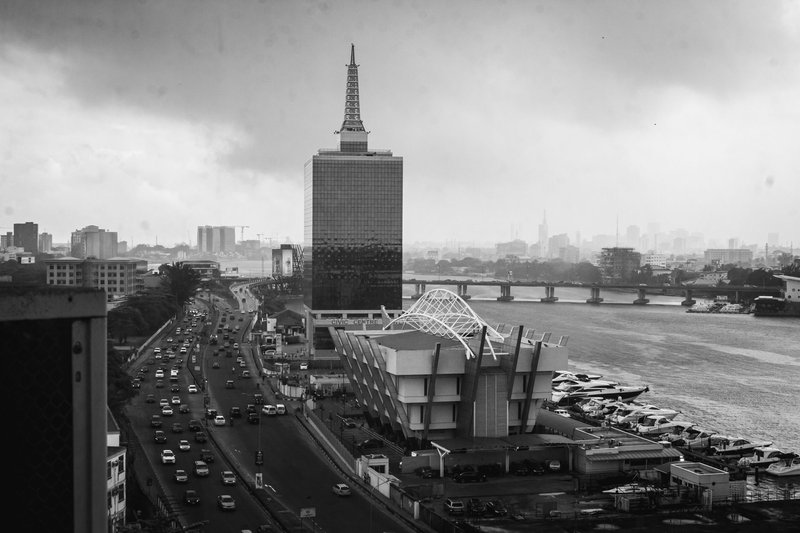
Lagos, Nigeria
Lagos has become the anchor of West Africa’s fashion economy, built on Nigeria’s large domestic textile market and a diaspora audience eager for contemporary African design. Lagos Fashion Week, held annually, has attracted international buyers and press over the past decade, and brands originating from the city have shown at Paris and London showrooms. Designers here often work with adire (resist-dyed cloth) and aso oke weaving, reinterpreting them in tailored, structured garments rather than treating them as purely traditional dress.
What sets it apart
Lagos’s fashion scene is closely tied to its music and film industries — Afrobeats and Nollywood provide visibility that fashion elsewhere would need years of runway shows to build.
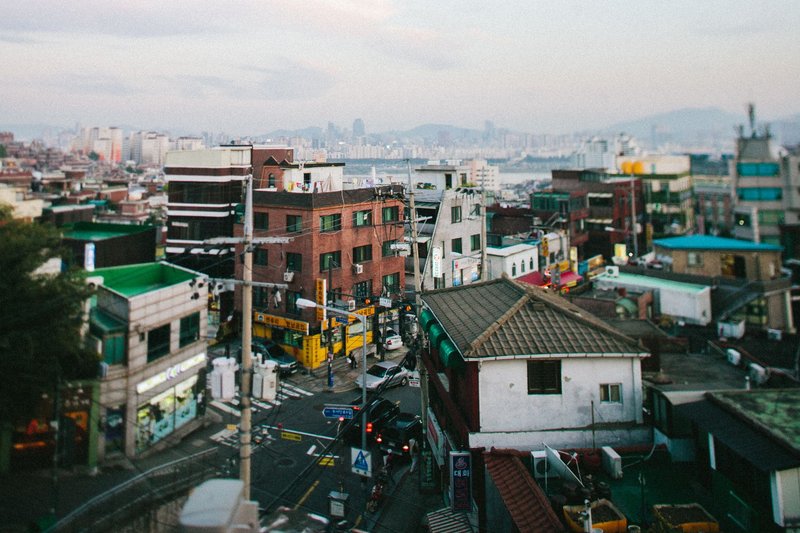
Seoul, South Korea
Seoul’s rise is inseparable from the broader export of Korean pop culture. K-pop styling, streetwear brands, and a fast-moving beauty industry have made Seoul’s Hongdae and Seongsu districts reference points for global streetwear trends. Local labels blend minimalist Korean design sensibilities with technical outerwear and gender-fluid silhouettes, and Seoul Fashion Week has grown as a platform for brands seeking Asian and Western attention simultaneously.
What sets it apart
Seoul functions as a trend laboratory: styles tested there through livestream shopping and short-form video often reach Western retail within a season.
Mexico City, Mexico
Mexico City has built a reputation for craft-forward design that resists the fast-fashion model outright. Designers frequently collaborate directly with Indigenous weaving and embroidery cooperatives from Oaxaca and Chiapas, an approach that has drawn both praise for preserving artisanal techniques and scrutiny over fair compensation for the communities involved. The city’s gallery-adjacent boutiques and independent ateliers have made it a magnet for buyers seeking pieces distinct from mass-market luxury.
What sets it apart
The Mexico City scene treats fashion as an extension of contemporary art and craft preservation rather than as a seasonal trend cycle.
Lisbon, Portugal
Lisbon has benefited from Portugal’s long-standing but historically underappreciated textile manufacturing sector, which produces for major European luxury houses without always getting public credit. A newer generation of Lisbon-based designers has started building brands of their own, taking advantage of local fabric mills and lower operating costs compared with Paris or Milan. ModaLisboa, the city’s main fashion event, has served as an incubator for names now selling internationally.
What sets it apart
Lisbon offers a rare combination: high-quality domestic manufacturing paired with an affordable cost base for young designers to launch independent labels.
Nairobi, Kenya
Nairobi’s fashion industry has grown alongside East Africa’s secondhand clothing trade, which paradoxically has spurred a countercurrent of designers focused on original, locally made pieces using kitenge and other regional textiles. The city hosts events such as Nairobi Fashion Week, and local designers have increasingly partnered with East African textile producers to keep production regional rather than outsourcing to Asia.
What sets it apart
Nairobi’s designers are explicit about sustainability, positioning their work against the flow of imported used clothing that dominates East African markets.
Ho Chi Minh City, Vietnam
Vietnam’s garment manufacturing sector, one of the largest in the world for export production, has begun spilling into homegrown design labels based in Ho Chi Minh City. Local designers increasingly retain small production runs domestically rather than sending everything through the export pipeline, giving the city a growing base of independent brands with direct access to skilled tailoring and fabric sourcing.
What sets it apart
Few cities combine manufacturing infrastructure at this scale with an emerging class of designers using that same infrastructure for their own labels rather than only foreign brands.
Tbilisi, Georgia
Tbilisi’s fashion scene emerged largely through a wave of designers in the mid-2010s who gained attention for androgynous streetwear and avant-garde tailoring, drawing on the city’s post-Soviet architecture and club culture. Brands from Tbilisi have shown at Paris Fashion Week’s schedule as guests, and the city has positioned itself as a low-cost, high-creativity alternative production and design base for Eastern Europe.
What sets it apart
Tbilisi’s aesthetic is inseparable from its nightlife and club scene, giving its fashion a rawer, subculture-driven edge compared with more polished capitals.
Accra, Ghana
Accra has developed a design community that overlaps closely with Lagos’s but retains its own identity, centred on Ghana’s kente weaving traditions and a strong culture of bespoke tailoring. Ghana’s government has also promoted the “Year of Return” diaspora tourism initiative, which brought increased international attention to Accra’s creative economy, including its fashion designers and textile producers.
What sets it apart
Accra’s tailoring culture — historically strong for menswear and formal dress — gives its emerging designers a technical foundation that some purely trend-driven scenes lack.
Warsaw, Poland
Warsaw’s fashion industry has grown quietly, supported by Poland’s manufacturing base and a design school system producing graduates who increasingly stay to build labels locally rather than moving to Western Europe. The city’s designers often work in a restrained, architectural style, and Warsaw’s fashion week has expanded its international guest list in recent years.
What sets it apart
Warsaw offers Central European manufacturing quality at a fraction of Western European cost, attracting designers who want production close to their design studios.
São Paulo, Brazil
São Paulo has long been South America’s largest fashion market, but it has increasingly drawn international attention as a design centre rather than only a retail market. São Paulo Fashion Week, one of the longest-running events of its kind outside the traditional big four cities, has pushed size-inclusive and diverse casting practices that other fashion weeks have since adopted more slowly.
What sets it apart
São Paulo’s fashion industry is large enough to be self-sustaining domestically, giving its designers more freedom to set trends rather than follow European ones.
What This Shift Means
The common thread across these cities is not simply geographic diversity but a change in how fashion authority is built. Where Paris and Milan derived influence from centuries of luxury manufacturing and press infrastructure, these emerging fashion capitals are gaining ground through social media reach, regional manufacturing advantages, and design rooted in local material culture rather than imported aesthetics. None of them is likely to replace the traditional big four outright, but buyers, retailers, and fashion students are increasingly treating them as essential stops rather than curiosities.
Conclusion
The fashion industry’s map is being redrawn gradually rather than dramatically. Paris and Milan retain their institutional weight, but the cities profiled here show that design innovation, textile craft, and manufacturing expertise are no longer concentrated in a handful of European capitals. For readers tracking where fashion is actually heading rather than where it has traditionally been covered, these ten cities offer a more accurate picture of the industry’s current direction.